Your OER is decided in four places.
Digester feed. Press. Clarification tank. Dilution. Every point of oil loss in your mill sits in one of those four, and every one of them is still run by operator judgement in most Malaysian mills. We close the loop on all four.
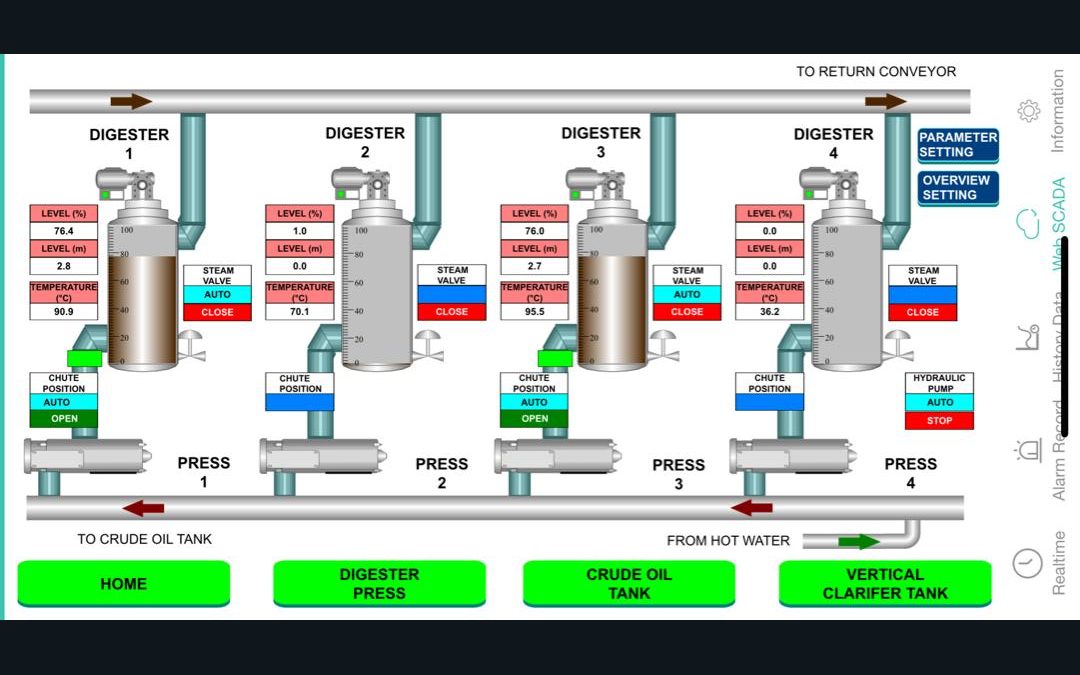
Walk your mill, station by station
Oil is lost in a sequence, so we fixed it in a sequence. Tap any station to see what goes wrong there and what we put in to control it.
What is 0.65 points worth at your mill?
Put in your own numbers. This is arithmetic on your throughput, not a promise about your mill — but it tells you whether this conversation is worth having.
Defaults are set so this calculator reproduces the reference mill's reported annual figure. Change them to your own. Estimate only — actual gain depends on your current control philosophy, instrument condition and throughput stability. We will tell you honestly if we think your mill has less headroom than this.
A palm oil mill in Johor
From 2018 to 2023 the core line ran on manual control — digester levels judged by eye, a legacy PLC, skimmers opened by hand at the tank, no live process visibility. Results depended on who was on shift.
We designed, fabricated and commissioned four control systems as one package: radar level and RTD temperature on the digesters with automated hydraulic chute-door control; VCT level control; automated VCT skimmer control; and closed-loop dilution control integrating the MIMOS NIR INSPECTRA™ inline analyser — the first deployment of its kind in the industry.
Everything runs on Siemens PLC with HMI stations showing operators the full station — digesters, presses, crude oil tank, clarifier tanks and skimmers — live. Panels were built and FAT'd at our Nilai workshop. Field junction boxes were specified for the mill environment: sealed, labelled, serviceable.
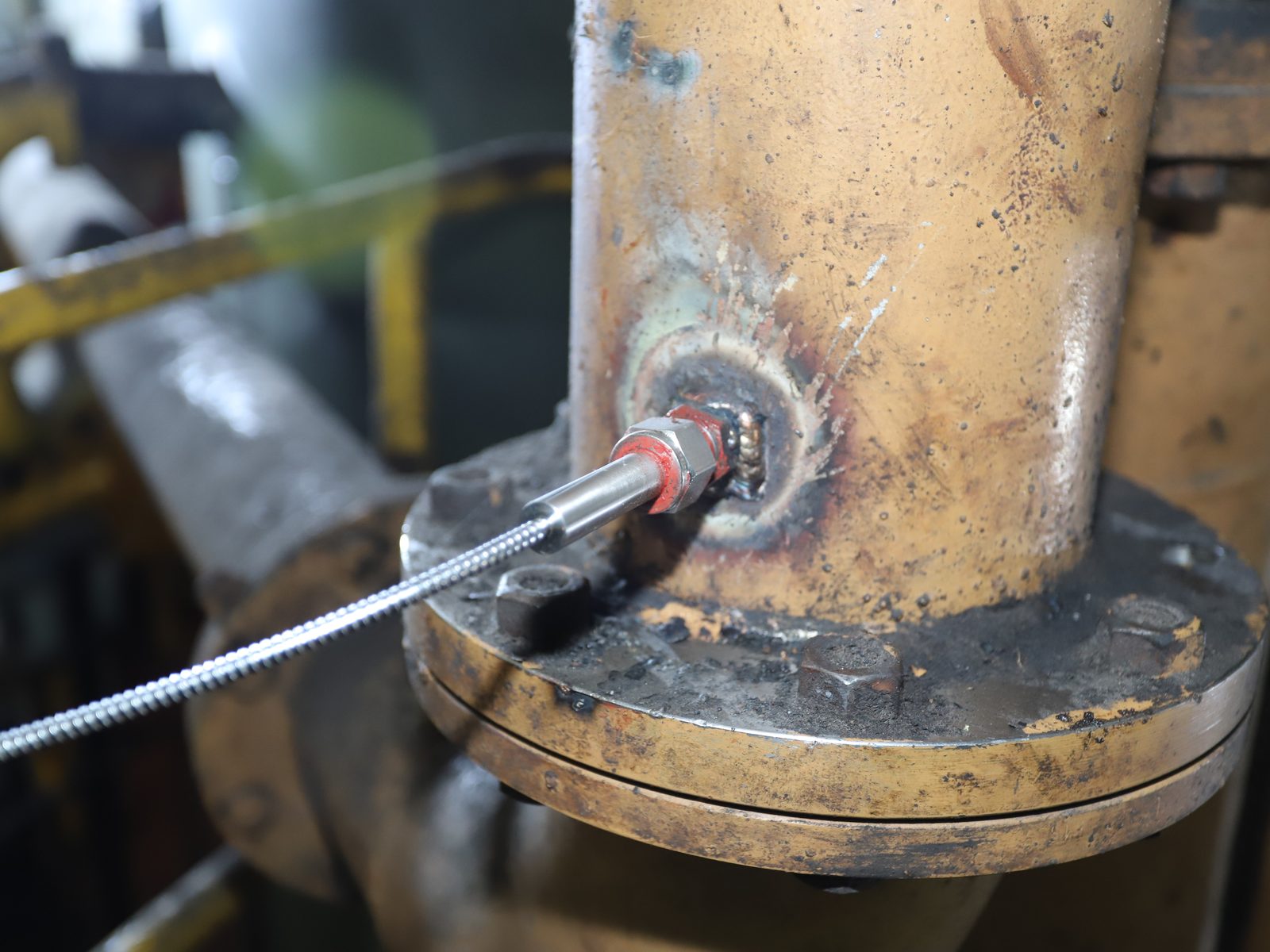
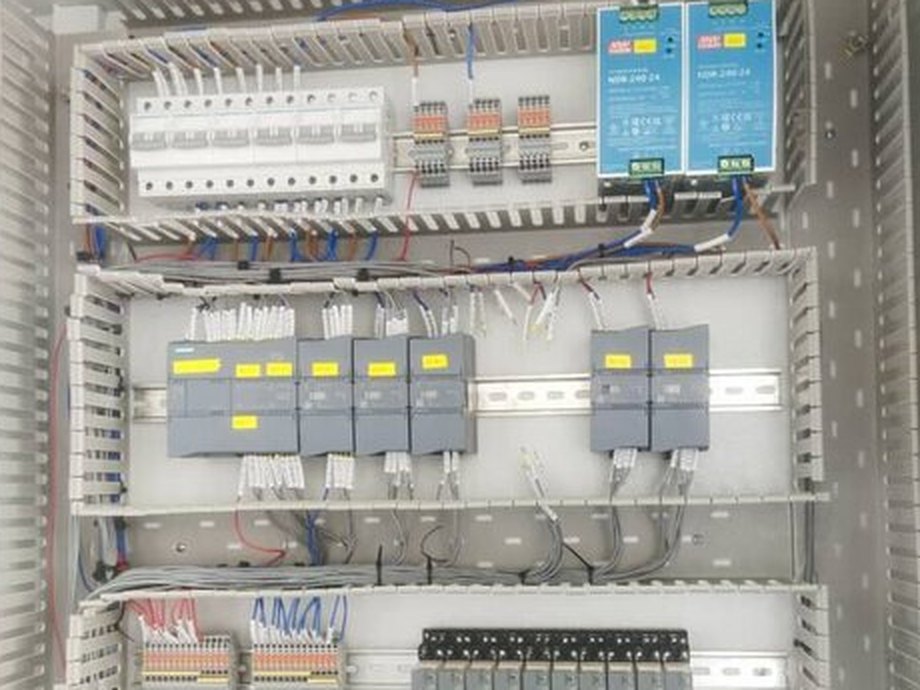
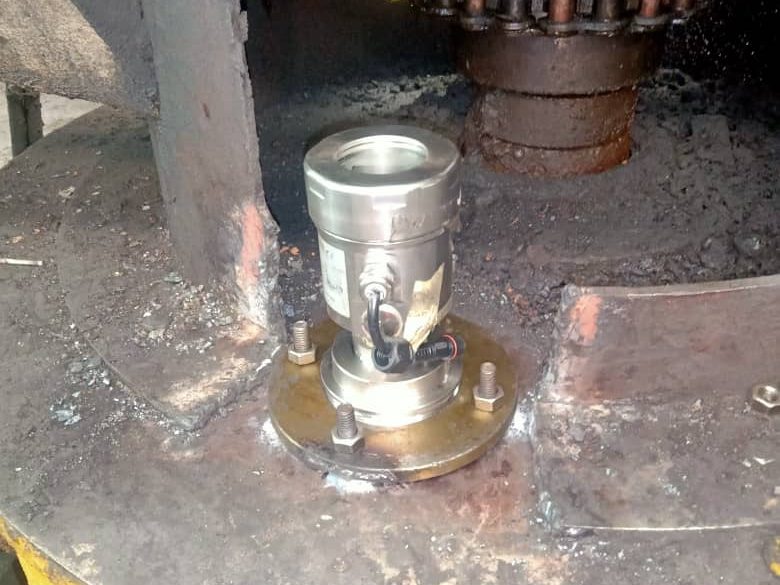
Malaysian, on site, and accountable
100% Malaysian-owned. Automation, electrical and instrumentation, delivered as one contract — no finger-pointing between vendors.
Working deployment of INSPECTRA™ inline analysis in closed-loop dilution control, developed under Malaysian research programmes.
Panels fabricated and factory-tested at our Nilai 3 facility before they ever reach your mill.
The people who quote you are the people who commission the system and tune the loops.
What mills ask us first
Do we have to stop the mill?
No — not for most of it. Panel fabrication, FAT and cable pulling happen while you are milling. We plan the cut-over and loop checks into your scheduled maintenance stop, and we tell you the required down-window in writing before you sign anything.
Can you work with our existing Siemens PLC?
Usually yes. We upgrade and extend existing Siemens S7 systems rather than ripping them out where the hardware is still supportable. Where a legacy PLC genuinely cannot carry the new loops, we will say so and show you why.
Is the NIR analyser necessary, or can we start smaller?
You can start smaller. Digester level and chute-door control on its own contributed roughly +0.3 percentage points OER at the Johor mill. Closed-loop NIR dilution is the step that follows once the feed side is stable.
Who owns the code and the HMI screens?
You do. You get the program, the HMI project files, the loop drawings and the as-built documentation. You are not locked to us for future changes.
Will our operators actually use it?
That is the part most projects get wrong. HMI screens are laid out as the process, not as a tag list, and we run operator handover on shift with your people at the panel. At the Johor mill the operators asked for the automation to be extended to more tanks.
Bring us your last 12 months of OER and FFA figures
We will look at them and tell you honestly whether a control upgrade, an instrument repair or a straight process survey is the right first step. If the answer is "your mill is already running well", we will say that too.
WhatsApp our engineer → Send an enquiry